Buyer Logistics
Do you need a permit for a backyard sauna?
A small sauna often skips the building permit, and its electrical circuit nearly always needs one. Zoning setbacks and a wood stove's chimney bring their own rules.
A small backyard sauna often skips the building permit. Its electrical circuit almost always needs one, and zoning rules about setbacks apply either way. The model residential code exempts one-story detached buildings up to 200 square feet, and many cities lower that to 120 or limit it to sheds for storage. A wood stove adds its own requirements for the stove's listing, the floor under it and the chimney. We read the code sections and a handful of real city and county rules, from Seattle to Michigan's Keweenaw Peninsula. We'd call your building and zoning offices before you order, since they decide.
The model code exempts small buildings up to 200 square feet
Section R105.2 of the 2021 International Residential Code lets a one-story detached accessory building skip the building permit if its floor area is 200 square feet or less, as Grant County, Washington, reproduces it. Most of the backyard barrels and cabins we list come in well under that. A 6-by-8-foot sauna covers 48 square feet.
The exemption only covers the permit. The same section says the building still has to meet the code, and your city may have adopted a different number.
Many cities set the line lower, or only for sheds
Seattle exempts a shed only if its roof covers 120 square feet or less and it's used for storage, growing plants or something similar. A sauna isn't any of those, so in Seattle even a small one may need a permit. Aurora, Texas, also uses 120 square feet and adds that any electrical, mechanical or plumbing work needs a permit regardless of size.
Shoreview, Minnesota, asks for a zoning permit on accessory buildings up to 200 square feet and a building permit above that, with side setbacks of 5 or 10 feet by size and a 10-foot rear setback. That's a fair picture of how most suburbs work: a small fee, a site plan and a setback check.
Zoning decides where on the lot it can go
Setbacks apply whether or not the building needs a permit, and lakeshore lots get the strictest rules. In Michigan's Keweenaw County, a proposed rule from 2019 allowed one sauna under 200 square feet in an inland lake's waterfront yard, set at least 35 feet from the high-water mark. The county denied a permit in 2022 for a sauna planned 25 feet from the water.
Near Duluth, township planning minutes say St. Louis County doesn't allow saunas inside the structure setbacks in shoreland areas. If you've pictured the sauna at the water's edge, we'd check the shoreland rules before anything else.
The electrical circuit needs a permit of its own
A sauna heater's 240V circuit is new electrical work, and the residential code's permit section covers anyone who wants to install an electrical system. The small-building exemption doesn't reach it. In several states a homeowner can take out that permit for their own home, and the work gets inspected either way.
Our wiring guide covers the circuit itself, including the GFCI question your inspector will want to settle.
A wood stove brings the chimney rules
The residential code wants a solid-fuel room heater tested to UL 1482 and set on a noncombustible floor that reaches 18 inches out from the stove, and a factory-built chimney has to meet UL 103's high-temperature rating. That's why we favor a listed stove, like the Kuuma Classic, for a sauna that will be inspected.
The EPA's wood-heater rule applies to heaters intended for residential space heating and never mentions saunas. Kuuma's FAQ says the EPA determined the rule doesn't cover its sauna stoves. Your local air-quality rules can still limit burning, so ask.
Where to buy
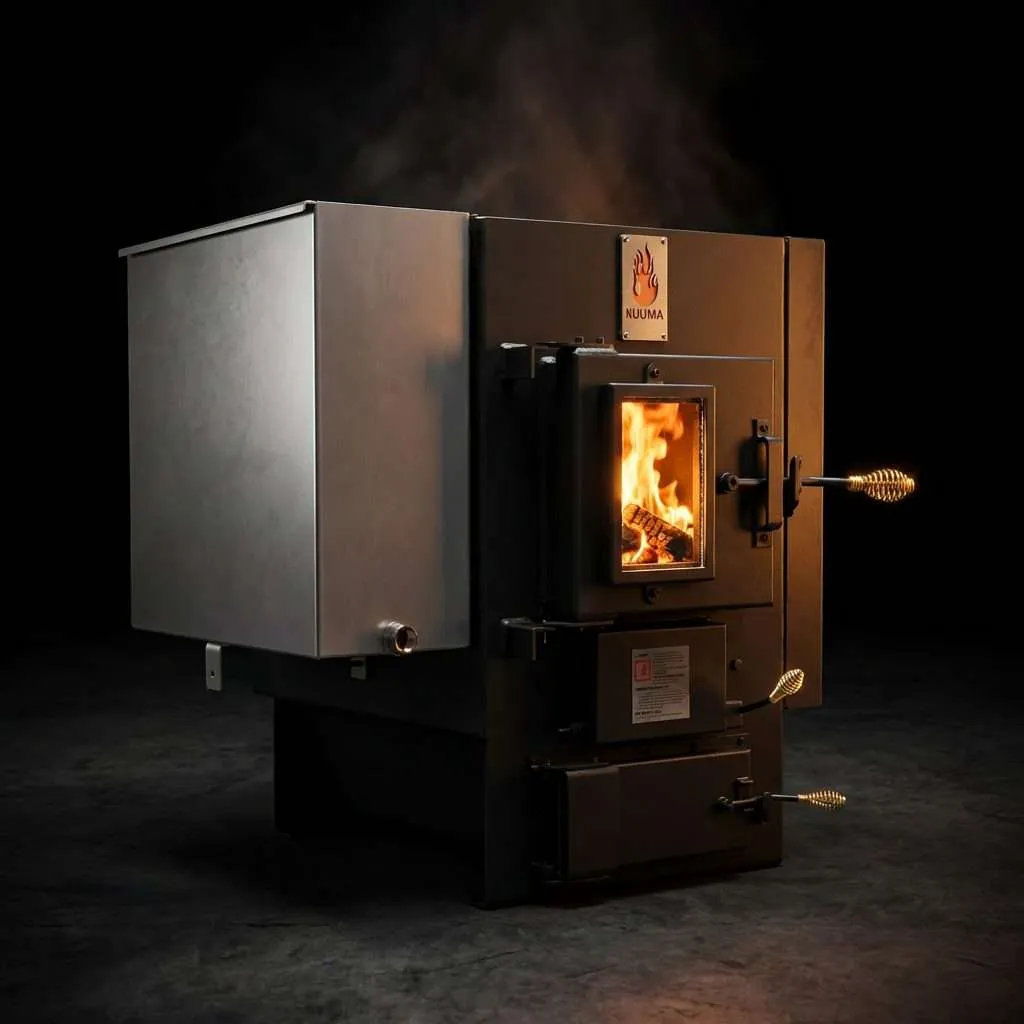
Kuuma Heaters & Stoves
Kuuma Classic Legacy Wood Sauna Stove
Built in Tower, Minnesota
- Wood-Fired
An HOA can add its own approval
If you live under a homeowners association, its covenants may require approval for any outbuilding. State law sets the limits. Florida's HOA statute, for example, lets an association review a structure's location, size, type or appearance only as far as its declaration says it can. We'd read the covenants before the sauna ships.
How we put this together
This guide draws on the 2021 IRC permit and heater sections as adopted locally, city pages from Seattle, Aurora and Shoreview, county and township minutes from Keweenaw County and Duluth Township, the EPA's wood-heater rule, Kuuma's FAQ and Florida's HOA statute, all read Oct 10, 2026. Local rules change, and your building and zoning offices have the final word.
Common questions
- Do you need a permit for a backyard sauna?
- A backyard sauna's new 240V electrical circuit almost always needs an electrical permit. The building itself may be exempt if it's small, since the model residential code exempts one-story accessory buildings up to 200 square feet and many cities use 120, and zoning setbacks still apply.
- How close to a property line can a backyard sauna go?
- It depends on your city's zoning. Shoreview, Minnesota, for example, requires side setbacks of 5 feet for accessory buildings up to 200 square feet and 10 feet for larger ones, with a 10-foot rear setback.
- Does a wood-burning sauna need a permit?
- Usually the stove and chimney do. The residential code expects a solid-fuel room heater tested to UL 1482, a noncombustible floor extending 18 inches from the stove and a chimney rated to UL 103, and inspectors check them.
We review from makers’ documentation, owner reports and published research. How we choose products and write reviews.